

Discover the Creativity of the Future: Use 3D Printing to Bring Your Ideas to Life
Suite 20-01 & 20-02B, Level 20 The Pinnacle, Persiaran Lagoon, Bandar Sunway, 47500 Subang Jaya, Selangor, Malaysia
hello@custommetal3dprinting.com
+60 124838830
While consumer Local 3D Printing Services has yet to live up to the promise, it is prospering in many sectors.Ever since 2013, money flowing into 3D printing has climbed sharply – big names like GE and Siemens leading the charge. By 2022, that wave grows wider: another two billion dollars expected to pour in, reports IDC.Few limits exist once tools spread through workshops and creative spaces.Yet things move slow in certain fields when it comes to adopting this tech. A few examples include these
Table of Contents:
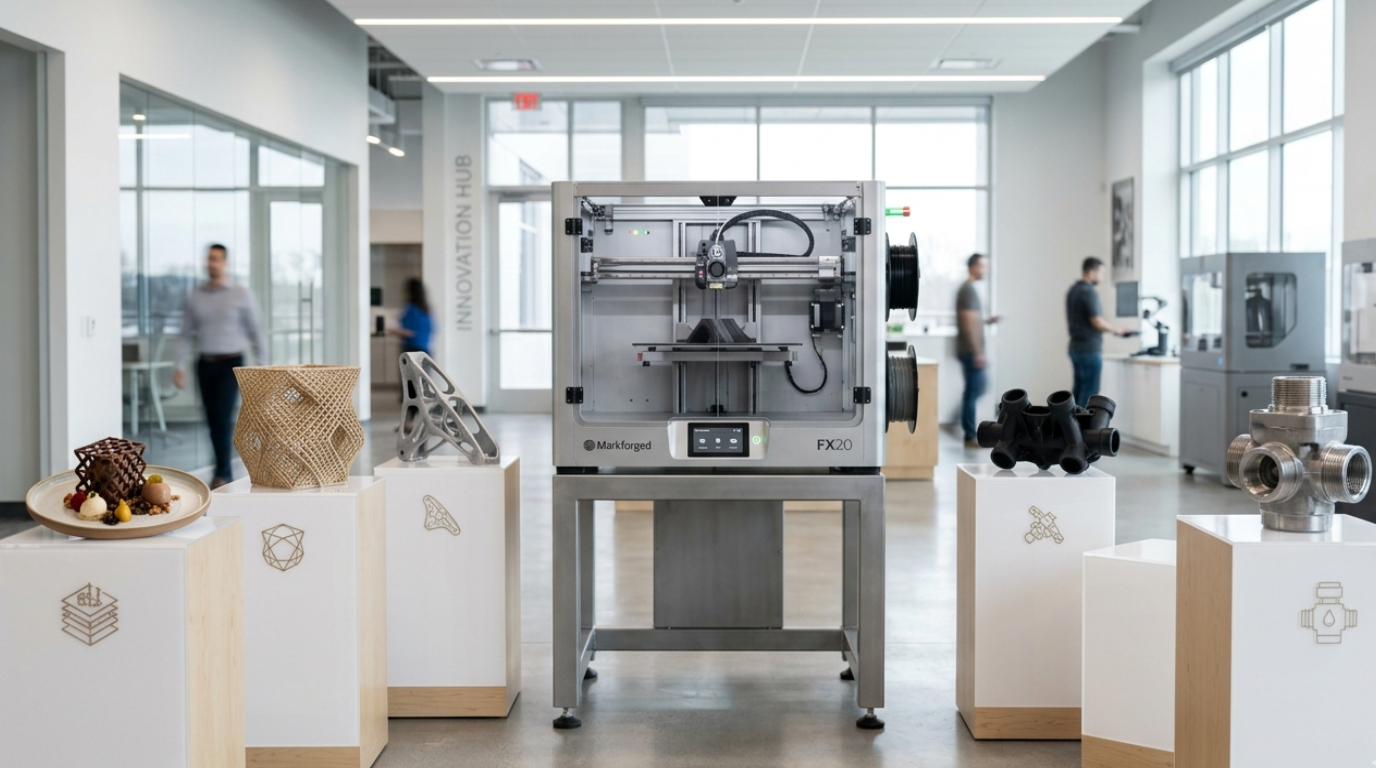
While consumer Local 3D Printing Services has yet to live up to the promise, it is prospering in many sectors.
Ever since 2013, money flowing into 3D printing has climbed sharply – big names like GE and Siemens leading the charge. By 2022, that wave grows wider: another two billion dollars expected to pour in, reports IDC.
Few limits exist once tools spread through workshops and creative spaces.Yet things move slow in certain fields when it comes to adopting this tech. A few examples include these
Food printed layer by layer brings ease plus choices shaped just for you. As unique eating plans become common, meals made this way could answer exact needs right when wanted.
One bite of High-Precision 3D Printing Services in Malaysia meals could lead to sickness right away. Sometimes just a person falls ill, maybe two. Other times, crowds start feeling unwell all at once. Trouble shows fast when something is off in the dish. Lasting changes may happen inside the body if eaten often. Illness today might mean deeper issues tomorrow. A single meal brings risk; repeated ones reshape how the system works
Over time, shifting how we eat could force the body to adapt in ways it can’t undo – especially if meals come solely from printed sources. A permanent switch like that might reshape digestion forever.
One wrong move could keep edible designs out of reach. Still, a few firms have started testing fixes anyway.
Beehex makes pizza using printers for large kitchens. Meanwhile, Yissum works with a plant-based fiber – zero calories – that holds food together naturally. These companies stand out in the world of printed meals. Printed layers shape dough. Natural binders replace fats. Each takes a different path through similar tech.
Starting with fresh ingredients, Foodini crafts meals through printing – anything that turns into a smooth blend works. Limitless options emerge, claims Natural Machines behind the device. Right now chefs in professional spaces get first access. Home cooking could see the machine join later on.
Food makers have started bringing 3D Printing Services in Malaysia into how they produce items. One new business focuses on milk without using dairy at all. Take Perfect Day – this brand builds cow-free dairy proteins by way of 3D Printing Technologies methods. Instead of animals, technology shapes the ingredients.
Turning old plastic into fresh packaging through 3D printers. Instead of piling up in landfills, used containers get washed, broken down, then melted into strands. These threads feed machines that reshape them into useful items. What was once garbage becomes something entirely different – layer by layer. Machines rebuild discarded material into forms people actually need. Old bottles might become tool handles. Waste finds purpose again when heat and pressure twist it into precise shapes. Nothing flashy – just reusing what already exists
Try 3D printing packages using greener bioplastics. Less garbage piles up when manufacturing shifts this direction – saves money while doing right by nature. Fewer leftovers mean lighter bills plus a healthier planet. Materials matter, especially if they break down easier after use. Savings show up on invoices, true – but forests and rivers feel it too.
One way some packaging firms work faster is by making new designs and tools through 3D printing. Take Anubis 3D – they built a robotic hand using printed parts, which helps put packages together more quickly. Around here, speed matters just as much as precision. That machine didn’t arrive overnight; it grew from small tests into something useful. Each piece snapped together like an idea made real. Instead of waiting weeks, they watched progress daily. Because each version improved on the last, results came sooner. Through layers added one at a time, the device took shape without molds or delays. Now tasks finish quicker than before. Even setup steps got shorter thanks to smart tweaks along the way.
3D printers could shake up how packaging machines are built. Instead of traditional parts, factories might start crafting robot arms layer by layer. Machines that once needed complex assembly lines may now form piece by piece through additive methods. This shift sneaks into production workflows quietly but changes everything behind the scenes. While some stick to old techniques, others swap in printed components without warning. Little by little, what gets made – and how – starts looking different
Even so, using the right materials plus a solid print method means these pieces weigh less compared to older versions – yet they perform stronger. Though not obvious at first, their strength grows where it counts without adding bulk.
A twist on drinks comes from Smart Cups, where the container holds ingredients too. Fusing product with package happens through 3D printing techniques. Their cup breaks down naturally after use. Inside its walls are bits of what becomes the beverage. Pour water in, and it mixes into a full drink.
3D printing shows up more every day. Buildings made layer by layer stand tall where cranes once ruled. Bridges shaped by machines stretch across spaces without traditional molds. Step into transport zones – parts arrive faster thanks to additive methods. Machines build what workers once hauled piece by piece
3D printed transport parts are changing how factories work. Suddenly, building roads and rails feels different too.
Speed and safety in human-driven vehicles depend heavily on how they’re built and what they’re made of. Take carbon road bikes – favored by riders in the Tour de France – notably expensive, often demanding long hours to craft.
AREVO – a small new business – builds bicycles frame by frame using 3D printers. Carbon fiber takes shape without hands doing much at all, they say.
One day soon, riders might make custom helmets while taking a break. Printing full bikes now happens thanks to home 3D machines. Parts like gears or mounts come alive layer by layer through plastic threads. Instead of waiting weeks, fixes could happen on the spot – overnight maybe. Rest stops might turn into tiny workshops where broken pieces get replaced fast. Personal gear, once bought online, can form right there in hours.
Farming needs tough tools, yet happens far from cities – here, printing parts on site changes everything. Equipment lasts longer when fixes happen right where it breaks. Distance becomes less of a problem once machines can build what they need. Tough conditions meet their match in adaptable manufacturing. Remote fields grow more self-reliant through layered construction techniques.
A single broken part can stall an entire machine out in the field. When replacement parts need days to arrive, work slows down right when speed matters most. Instead of waiting, some farmers now print needed components on site. This shift helps small operations keep going without relying on distant suppliers.
Farm operations can benefit from 3D farm printing since customized components can be manufactured and supplied locally, reducing downtime.
Open-source blueprints mean farmers can access tool and part plans without cost. Time gets saved when fixes happen fast. Money stays put because buying new gear drops off the table. Designs spread easily, so help grows where it’s needed. Fewer delays show up during busy seasons. Knowledge moves freely between fields and workshops.
A single damaged component gets scanned right away, after that it’s copied straight on a 3D machine – no drawing needed anymore. Faster production kicks in when print replaces wait.
A few people growing crops in Myanmar – where roads and services often fall short, plus decent equipment is hard to find – are building fresh gadgets through 3D printers. Tools once bought or imported now take shape layer by layer inside small workshops. Not every village has one of these machines, yet those that do are tinkering with designs on their own. Weak supply chains used to slow progress; lately, trial versions appear overnight. Ideas start on scraps of paper, then shift into plastic forms within hours. This kind of making skips long waits for outside help. Printers hum in corners where old methods still dominate. Progress creeps forward, piece by printed piece.
In the open fields, broken tractor parts might soon mean less trouble than before. Instead of waiting weeks for a replacement, someone could make one right there on site. A shift like that changes who holds control when equipment fails. Big companies won’t have quite the same grip if folks start fixing things themselves. With a printer humming at hand, independence takes shape layer by layer.
Possibility looms of country growers crafting needed parts right at home, skipping long trips to stores. Printing could shift toward reused plastics instead of just metal, feeding a loop where waste becomes resource again.
Fuel drawn from deep beneath the ground powers much of life today, so companies keep searching for smarter ways to do more with less. Profits rise when operations run smoother, which pushes teams to rethink old routines every chance they get
One reason lies in streamlining how things are made, while cutting pauses in work – here 3D printing steps in quietly. Production flows smoother when delays shrink; that shift often ties back to additive methods. Efficiency grows not just by doing more, but by stopping less. Machines run longer when fixes come faster, a gap digital fabrication can fill. The rhythm of output changes when setup time fades. Less waiting opens space for steady progress, something print-based solutions support without noise.
BP, Shell, and GE aren’t just testing 3D-printed parts – they’re pushing growth. Because of moves like these, earnings tied to 3D printing in oil and gas might hit $450 million come 2021.
Pipes built by machines that shape material layer by layer – this is what BP plans. Fixing broken lines fast, even out where work happens, could soon mean printing parts on site instead.
Out there in the Gulf of Mexico, Shell turned to 3D printing during work on a tough new project – a floating buoy setup that could disconnect when needed. Odd shapes came together fast through printed models, showing officials how it would actually function. Those early versions made the difference, proving the idea worked before any real build began.
Trying out 3D printing, GE explored fresh ways to build parts. A gas turbine burner came together through layer-by-layer making. This shift shortened testing periods dramatically – what once took long now finished quicker. Progress showed when trial runs dropped by fifty percent. New methods changed how fast ideas moved into real tests. Interact with us.
