

Discover the Creativity of the Future: Use 3D Printing to Bring Your Ideas to Life
Suite 20-01 & 20-02B, Level 20 The Pinnacle, Persiaran Lagoon, Bandar Sunway, 47500 Subang Jaya, Selangor, Malaysia
hello@custommetal3dprinting.com
+60 124838830
Out of thin air, a machine builds solid shapes one slice at a time using melted plastic. This method, often called additive manufacturing, stacks layers into real-world items. Little by little it’s changed how factories develop products and test ideas. In hospitals, custom limbs come to life through this process. Even bones inside the body sometimes start as 3D Plastic Printing Service printed forms.
Table of Contents:
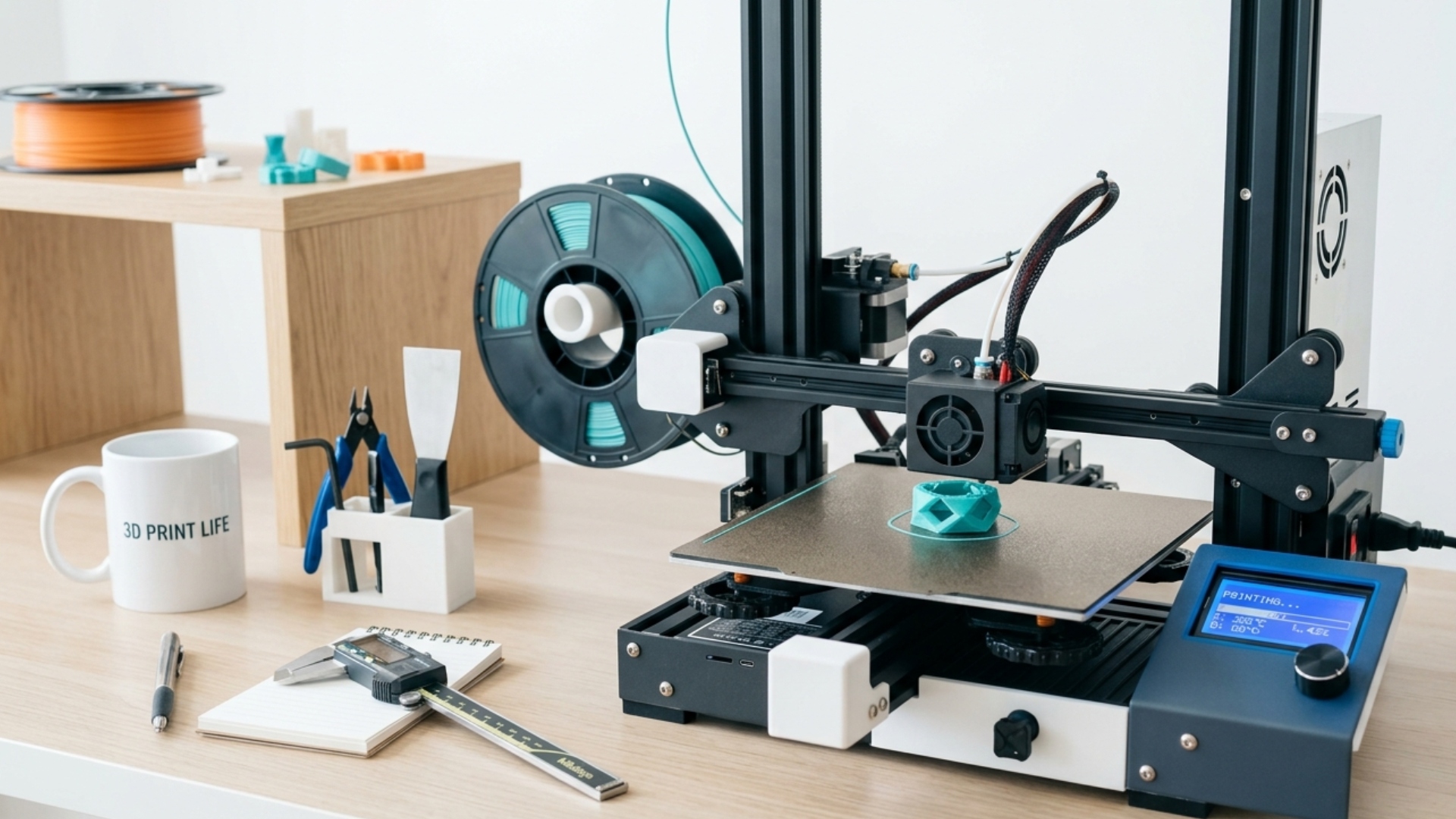
Building models for cars and planes using Plastic 3D Printing Service Selangor printed layers. Sometimes it starts fast, sometimes slow – depends on the material chosen. Machines shape each piece step by step instead of cutting away chunks. Precision matters most when parts must fit tight spaces later. This way skips old-school molds altogether, saving time without losing quality.
From 3D Printing For Plastic printed designs come phone covers shaped just how you want. Footwear built unique to a person shows up through 3D methods. Each piece adjusts before it forms. Personal touch arrives without molds or mass runs. Making changes happens fast when digital plans shift. One size never fits all anymore here.
Prosthetic limbs emerge when machines layer material to form shapes. Implants take shape through similar processes, built gradually by automated tools. Machines follow digital plans, crafting personalized medical devices. These creations fit precisely because they are designed for individual bodies. Customization happens easily since designs adjust before production begins.
Laser heat binds tiny bits of plastic into shapes layer by layer. This method builds objects slowly using fine powder as raw material. Light melts each cross section while new dust settles on top. Solid forms grow where beams strike the granules below.
Perfect when making tough, detailed pieces with a 3D printer. Sometimes lasts longer under stress than expected. Built to handle intricate shapes without falling apart. Holds up well through repeated use. Works best where strength and fine detail matter most.
Easy to break down, great for those just starting out – commonly found in 3D printing setups. Though gentle on the environment, it still holds up well under basic use. Its simplicity makes it a go-to choice when testing new designs.
Built to last, stands up well against high temperatures – perfect when making working models with 3D printers. Toughness matters most here.
Built tough to handle sun, rain, or wind – ideal when printing outside. Holds up well under harsh conditions while keeping results steady.
Start by thinking about how much money you’re ready to spend. Print dimensions matter just as much as what kind of plastic works with the machine. One detail that often gets overlooked is whether the device handles different filaments well.
Start by adjusting the print surface so it’s even. Then position the nozzle at just the right gap for clean layers.
Start by picking a slicing program to turn your 3D design into flat levels that the printer can build one at a time. Layer after layer, it maps out how each section forms when stacked together later on. Each slice becomes part of what eventually takes shape through plastic laid down bit by bit.
Glue sticks help prints stick better to the build plate. Tape can prevent warping at the base during printing. Sometimes a light coat works just right when applied before starting. Layer by layer builds up more smoothly that way. Sticking power matters most in the first few moments of printing.
Solution: Adjust retraction settings in your 3D printing slicer.
A warm base helps prints stick better. Wrap the machine in a shield to hold heat inside. This setup cuts down warping edges. Heat stays even when layers build up slowly. Prints come out smoother with steady warmth around them.
Smooth surfaces come first, then color brings life to printed shapes. Finishing means rubbing away rough spots so paint sticks better. A soft look hides layer lines through careful prep work. Brushes apply coats once dust is wiped clean. Appearance changes when texture meets hue in balance.
A soft finish comes through solvent smoothing on 3D prints. This method brings out a clean surface by gentle chemical touch. Instead of sanding, vapor levels the layers just enough. Smooth sides appear after brief exposure, nothing harsh needed. Results show depth without extra tools involved.
Start safe – keep your hands covered around resins or powders used in 3D printing. Gloves on means fewer risks while working with these substances. Protection begins before contact, especially with fine or liquid components. Always assume skin exposure is a problem until proven otherwise. From start to finish, barrier gear matters most near reactive materials.
Breathe easier because fresh air moves through when windows are open while the printer runs. Fresh airflow stops smoke-like smells building up in the room during machine work.
Every now and then, wipe down the print head along with the surface where objects form. A quick check keeps things running without surprise hiccups later on.
Fresh software keeps prints running smooth. New code brings fewer hiccups mid-job. Machines work better when updated regularly. Outdated systems lag behind new demands. Smooth layers start with current programs. Printers respond faster after upgrades.
Join groups like Reddit’s 3Dprinting or Facebook communities for 3D printing enthusiasts.
Start learning through online classes if you want to grow skills in 3D printing. Try sites such as Coursera or Udemy where lessons go deeper into the topic. These spots offer ways to build understanding step by step. Jump into subjects that match what you aim to learn. Each course moves at its own pace so pick one that fits yours.
One step at a time, plastic 3D printing opens doors – simple tools, endless shapes. This guide hands you what’s needed to start building things that matter. Instead of waiting, begin shaping thoughts into objects, layer by layer. Through practice comes skill; through trial come new ways. Turn vision into form using machines that follow thought.Consult with us now.
