

Discover the Creativity of the Future: Use 3D Printing to Bring Your Ideas to Life
Suite 20-01 & 20-02B, Level 20 The Pinnacle, Persiaran Lagoon, Bandar Sunway, 47500 Subang Jaya, Selangor, Malaysia
hello@custommetal3dprinting.com
+60 124838830
Ceramic 3D printing is changing industries by making it possible to create complex and high-performance ceramic parts. This innovative method uses the accuracy of micro 3D printing for ceramics along with the strong features of ceramic materials, leading to many new opportunities.An example of this is the endoscope shell that is 3D printed using alumina ceramic.
Table of Contents:
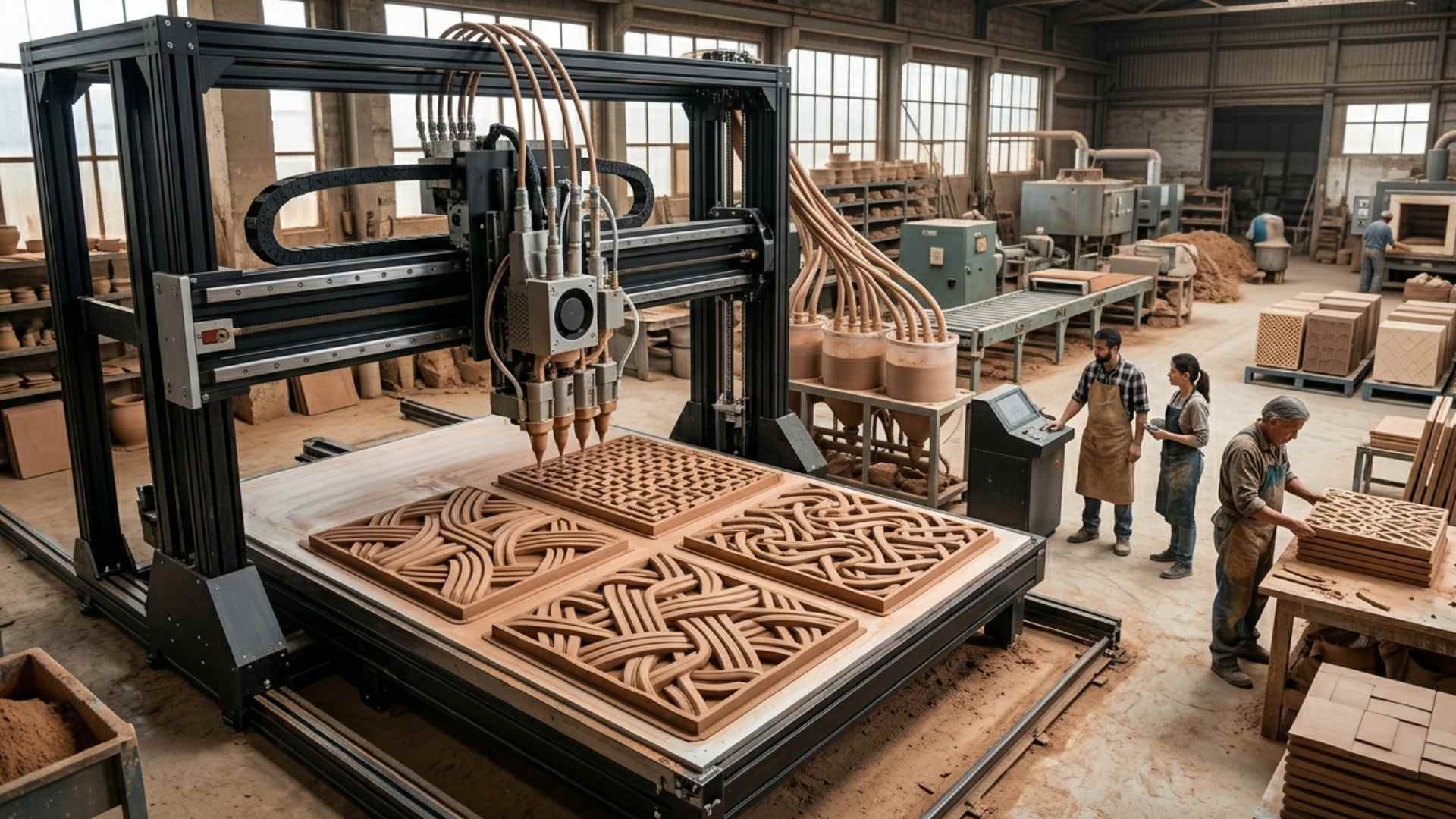
3D Ceramic Printing makes it possible to produce very detailed and complex shapes that are hard or impossible to make with traditional methods.This level of precision is important in industries that need small parts with complicated designs, such as aerospace, electronics, and medical devices.
Ceramics have great hardness, can resist high temperatures, and are chemically stable.Using Ceramic 3D Printing Binder Jetting allows parts to be made that can handle extreme conditions, making them suitable for high-performance uses.
This technology allows for the creation of parts that are made to fit specific needs.Designers and engineers can try out new shapes and structures, improving performance and functionality without being limited by traditional manufacturing methods.
Additive manufacturing reduces the amount of material wasted compared to methods that remove material.Ceramic Resin 3D Printing builds parts layer by layer, using only the required amount of material, which saves costs and helps the environment.
The ability to quickly make prototypes speeds up the design process, allowing for faster improvements and refinements.This quickness is especially useful in industries where getting to market quickly is important.
In aerospace and defense, parts must handle extreme heat, pressure, and mechanical stress.Ceramic materials are used to make lightweight and heat-resistant parts for engines, turbines, and other key systems, improving performance and durability.
The medical field benefits from ceramic micro 3D printing through the production of implants, prosthetics, and dental devices that are biocompatible.The precision and customization offered help provide patient-specific solutions, leading to better results and comfort.
Ceramics act as excellent insulators and can withstand high temperatures, making them useful for electronic and semiconductor applications.Micro 3D printing allows the creation of detailed components like microelectronic substrates, sensors, and insulators, helping to advance smaller and more efficient electronic devices.
In the automotive industry, ceramics are used to make parts that need to resist wear and maintain stability under high temperatures.Examples include sensors, engine parts, and components for electric vehicles, which lead to better efficiency and longer lifespans.
The energy sector uses ceramic micro 3D printing to develop advanced parts for fuel cells, batteries, and solar panels.The technology helps create efficient and high-performance components that can work in harsh conditions, supporting sustainable energy solutions.
Ceramic 3D printing is a major improvement in manufacturing technology, combining the advantages of ceramics and micro 3D printing. Its ability to produce precise and high-performance parts opens up new possibilities across various industries, from aerospace to medical devices. As the technology continues to develop, we can expect more innovative applications and benefits, pushing the progress of modern manufacturing.
Visit our page to review the resins, BMF manufacturers, and third-party materials we provide Ceramic 3D Printing Services through our open material platforms.
