

Discover the Creativity of the Future: Use 3D Printing to Bring Your Ideas to Life
Suite 20-01 & 20-02B, Level 20 The Pinnacle, Persiaran Lagoon, Bandar Sunway, 47500 Subang Jaya, Selangor, Malaysia
hello@custommetal3dprinting.com
+60 124838830
With a wide range of materials, plastic 3D printing in Malaysia opens up endless creative possibilities. Plastic 3D printing service Selangor uses a variety of plastics, such as PLA, ABS, and PETG, to make parts that are strong and useful. Different types of plastic have different advantages for prototypes, tools, and finished goods. Knowing these materials will help you pick the right one for your project.
Table of Contents:
Some plastics are cheaper and easier to print, while others are stronger or more flexible. PLA is a popular material for 3D printing plastic because it prints well and is good for the environment. ABS is strong against heat and impact, while PETG is strong and easy to use. Every choice has an effect on quality and how long it lasts.
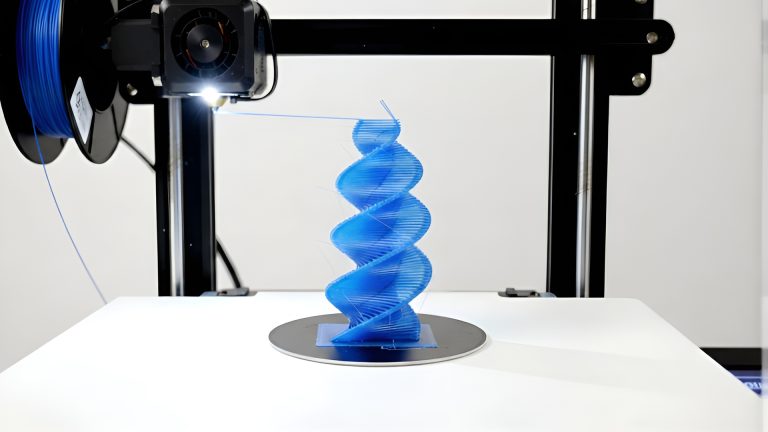
When you do plastic 3D printing in Malaysia, you need to know how the properties of the materials affect how well they work. PLA is great for early prototypes and concept models because it comes from plants. It’s easy to print and gives bright colors with sharp details.
When parts need to be tough, ABS is the best choice. It works well for functional prototypes and car parts. PETG is a good choice because it combines the best of both worlds: strength and ease of printing. Based on your needs, service providers will help you choose the right plastic.
In a lot of 3D printing for plastic workflows, PLA is the best choice. It is easy to use because it prints at a low temperature, which keeps it from warping. You get high-quality surface finishes that are perfect for displays and visual models.
PLA is better for the environment because it comes from natural sources like corn starch. This makes it appealing to designers who care about making things in an environmentally friendly way. PLA prints well on a lot of different machines and services.
When 3D printing plastic that needs to last, ABS stands for strength and heat resistance. It can handle daily wear and tear and keep its shape under stress. Because of this, ABS is a good material for tools, brackets, and casings.
PETG is strong and easy to print, which makes it useful and popular. It is more resistant to moisture and impact than PLA, so it is both reliable and performs well. PETG is great when you need both strength and detail.
Some projects need plastics with special features. Nylon is flexible and doesn’t wear out easily, making it good for moving parts and gears. It is a great choice when strength is important. Specialty plastics make 3D printing even more useful.
TPU and other flexible filaments can bend and stretch without breaking. These plastics can be used for things like grips, seals, and wearables. Choosing the right plastic means making sure that the way the material works in the real world is the same as how it works in the lab.
Knowing how much 3D printing plastic costs can help you make smart budget decisions. Some plastics are cheaper, while others are more expensive because they work better. Service providers help you choose the best materials to meet your needs.
Finding the cheapest plastic isn’t enough; you need to find the right balance between quality and price. Choosing the right material keeps you from having to pay for reprints and delays. Choosing the right materials gives you parts that meet your needs without going over budget.
Choosing the right plastics for 3D printing makes a big difference in how well they work and how good they look. There is a purpose for each option, from beginner-friendly PLA to strong ABS and flexible TPU. Contact us if you’re ready to start your project and find the best materials. We’ll help you make your ideas a reality.
