

Discover the Creativity of the Future: Use 3D Printing to Bring Your Ideas to Life
Suite 20-01 & 20-02B, Level 20 The Pinnacle, Persiaran Lagoon, Bandar Sunway, 47500 Subang Jaya, Selangor, Malaysia
hello@custommetal3dprinting.com
+60 124838830
In the fast-paced, high-stakes world of construction, even small mistakes can lead to big problems like longer wait times, higher costs, and less safety. Today’s designers and builders are using more advanced digital tools to solve these problems. 3D architectural rendering is one of the best tools.
We at Custom Metal 3D Printing believe that turning blueprints into realistic, interactive images not only impresses clients, but also changes the way buildings are built by preventing mistakes before they happen.
This blog post will talk about how 3D architectural rendering can make it easier to plan a project, help people involved in the project talk to each other better, and in the end, cut down on mistakes during construction.
We’ll talk about its pros and cons, give real-life examples, and look at where this field is going in the future.
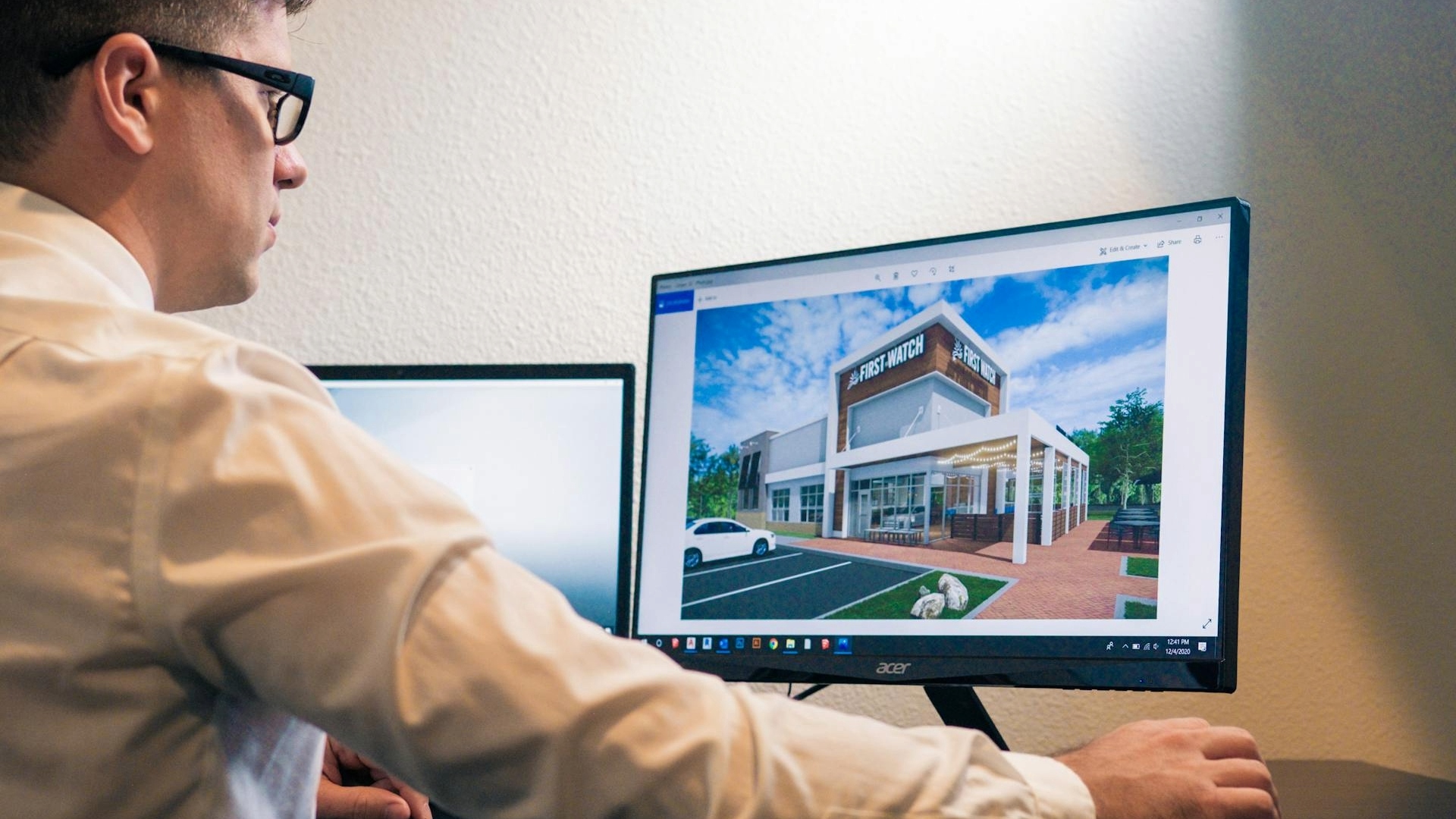
Table of Contents:
Mistakes made during construction aren’t just little ones; they can be costly mistakes that have big effects. Errors made in the field can lead to:
Delays in the project
Often, small mistakes require a lot of extra work, which can make the project take longer than planned.
Losses in money
Mistakes can waste materials, cost more in labour, and lead to repairs or changes that weren’t planned.
Safety Risks
Workers and future residents could be in danger if mistakes are made during construction that make a building less stable.
Clients who are unhappy
Clients can have problems if there are misunderstandings or bad renderings, which can hurt relationships and reputations.
These issues show how important clarity and precision are at the beginning of the design process. Finding and fixing mistakes as soon as possible will make the construction project go more smoothly and be more successful.
The main goal of 3D rendering is to turn vague design ideas into clear virtual models. This is how the process usually goes:
This long process not only makes great pictures, but it also gives us information that can help us find possible problems with the building during the early design stages.
One of the best things about 3D architectural rendering is that it makes it easier for clients, builders, and designers to talk to each other. When you turn the plans into colourful, realistic pictures, everyone can see what they will look like and get a better idea of what the final product will be like.
Imagine a designer’s drawing being turned into a virtual model that shows how natural light hits the outside of a building, how the materials feel, and how the different parts of the building fit together.
These detailed pictures make it easy to spot mistakes or inconsistencies in the design that might have been missed in 2D drawings.
Because of this greater level of clarity:
The end result is a process that goes smoothly and works together, which cuts down on mistakes and costly changes.
The most important thing for a successful construction project is to find design mistakes early on. People who use traditional methods often find mistakes during or after construction, which is when it costs a lot of time and money to fix them. 3D rendering shows possible problems during the planning stage.
This is how:
Architects and engineers can do full reviews and thorough quality checks by looking at the whole project in a virtual setting. This proactive approach not only makes the design more accurate, but it also saves money and speeds up the construction schedule.
3D architectural rendering is an important way for stakeholders to talk to each other because it shows a clear, realistic picture of the project.
In the end, working well with others means fewer problems, faster project completion, and fewer mistakes at work.
One of the most expensive things about building is having to fix mistakes that weren’t planned for and do extra work. Changes made on the job site often cause delays, higher labour costs, and wasted materials. With very detailed 3D rendering:
3D rendering helps keep construction on schedule by finding and fixing problems before they happen. This guarantees that the project will be done on time and for less money.
Imagine being part of a big mixed-use development project that used 3D rendering technology from the very beginning of the design process. The outside and inside visualisations showed a number of important problems that weren’t clear from the original 2D drawings, like places where light could be blocked and arrangements of space that wouldn’t work. Changes were made on time, which caused:
In another case, a lot of photorealistic exterior renderings were used in a high-end housing development.
Contractors were able to plan for these problems ahead of time, which saved time and money later in the building process.
These real-life examples show that 3D rendering is more than just a way to look at things; it’s a strategic tool that cuts down on mistakes and raises the chances of a project’s success.
We at Custom Metal 3D Printing love using 3D rendering to change the way buildings look. We know that every project is a unique mix of creativity and accuracy, so we offer services that meet the strict standards of modern construction.
Our team of 3D experts uses the latest rendering technologies and a deep understanding of architectural details to make images that are both beautiful and true to life.
Custom Metal 3D is more than just a 3D Architectural Visualization Services provider. You’re also putting money into a process that makes things clearer, cuts down on mistakes, and sets your project up to do well.
We care about quality, so every image and animation not only meets but also exceeds industry standards. This makes it easy to go from design to building.
To get the most out of 3D rendering and cut down on construction mistakes, you should think about following these best practices:
If you follow these best practices, you can be sure that your use of 3D rendering will greatly reduce construction mistakes and make every part of your project development better.
3D architectural rendering is more than just a nice-to-have; it’s a must-have tool that turns vague plans into clear, actionable blueprints and visual stories. It is very helpful for finding and fixing possible construction mistakes before they cost a lot of money.
There are many and different benefits to 3D rendering. Some of these benefits are boosting investor confidence, speeding up sales, making it easier for stakeholders to talk to each other, and, in the end, lowering the cost of making changes.
At Custom Metal 3D, we use the newest technology and our creative skills to bring your design ideas to life with unmatched accuracy. Using 3D Architectural Visualization Services in the early stages of your project can help you make fewer mistakes, build more smoothly, and ultimately have more successful and profitable projects.
As technology changes, so will the capabilities of 3D architectural rendering. The future looks even better for more accurate, interactive, and seamless integration into every part of planning a building project.
Putting money into 3D rendering is a smart way to make your architectural projects better, make fewer mistakes, and save money—especially when combined with innovations like Custom Metal 3D Printing.
Contact us today to discover how Custom Metal 3D can elevate your next architectural project with cutting-edge 3D Architectural Visualization Services. Whether you’re an architect, developer, or contractor, our expert team is ready to bring your ideas to life with precision, clarity, and visual impact. Let’s reduce construction mistakes and build smarter—together.
