

Discover the Creativity of the Future: Use 3D Printing to Bring Your Ideas to Life
Suite 20-01 & 20-02B, Level 20 The Pinnacle, Persiaran Lagoon, Bandar Sunway, 47500 Subang Jaya, Selangor, Malaysia
hello@custommetal3dprinting.com
+60 124838830
In the field of AEC, 3D Architectural Visualization is a developing technology that is gradually becoming a crucial part of many projects. Graphical representations that highlight important aspects of a facility might illustrate the architectural design, interior areas, or urban planning processes.
A major factor in the growth of the architecture and construction industries is the slow but noticeable transition from architectural draughting services to architectural 3D visualisation. This tool effectively makes any building project come to life.
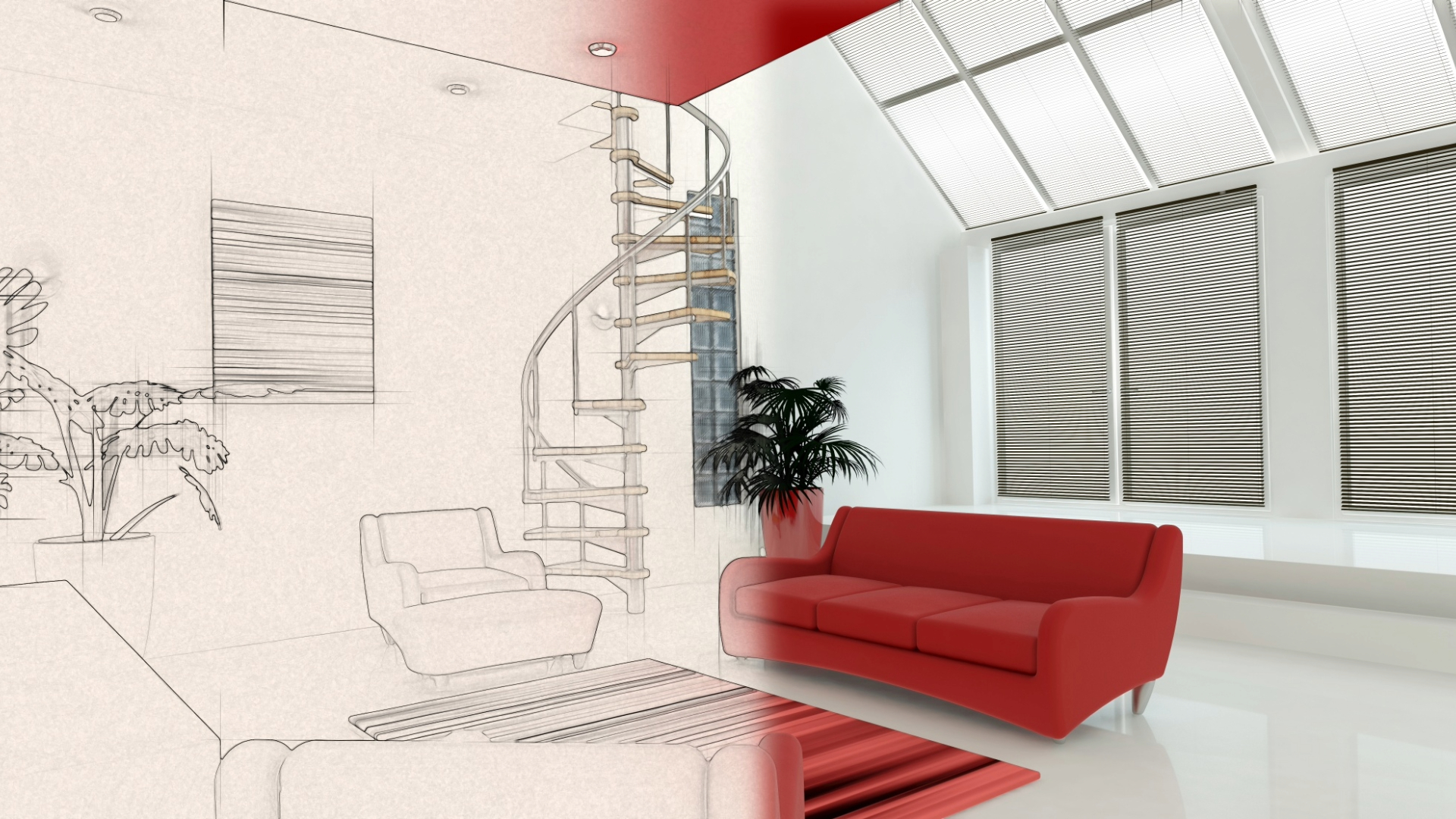
Table of Contents:
The art of creating lifelike three-dimensional renderings of structures, interiors, landscapes, and any other built environment with specialised software is known as architectural 3D visualisation. The visualisation process connects interactive 3D Architectural Modeling and the field of architecture.
Many businesses now use 3D Architectural Rendering services to see different architectural projects before construction starts. Additionally, the images effectively describe the intricate systems and layouts. They help with project marketing and convey the design concept.
We can use the development of rendering technologies and computer technology to measure the evolution of 3D visualisation. Businesses continually investigate and create new technologies that challenge the limits of computer-generated photorealism.
One remarkable innovation completely changed the way that buildings are made and designed: the ability to experience a place without ever setting foot on a construction site.
A project render that suits a project requires a number of steps in the 3D visualisation process. The following steps include:
Architectural 3D visualisation makes it possible to create detailed presentations of a built form in the form of a 3D model. It examines every detail of the projects from many angles and creates countless ways to display a project. One of the several advantages is:
Typically, a client lacks a thorough understanding of design concepts and technicalities. Projects involving 3D visualisation assist in communicating the design to the client and enable them to understand the design concept. The abstract and illustrative potential of a 3D model eliminates uncertainty.
Clients can see the precise colour and texture of materials thanks to real-time renderings. Before building begins, architects can experiment with various components and materials without worrying about the availability of resources. This also opens doors for innovations like Custom Metal 3D Printing, which designers can integrate into modern architectural designs
Architectural 3D visualisation changes the fields of architecture, engineering, and building. Designers create eye-catching images of different projects and communicate the design concept with the help of project renderings. Architects collaborate with other experts and make wise selections by utilising these services.
Architects and designers produce realistic pictures of projects that embody the idea and philosophy. They quickly and effectively make changes in accordance with the needs of the client because of timely feedback.
The 3D Architectural Visualization Services enable better stakeholder coordination and communication, ensuring that project objectives are understood.
The AEC business no longer relies on using 2D draughting services and creating plans and elevations to communicate the design objective. Clients follow a methodical process that involves visualising a place, understanding the design concept, and investing in a project only when it shows a profit.
Architectural 3D visualisation gives architects a realistic representation of the constructed form, making digital marketing easier and increasing the likelihood that the project will start.
By taking the guesswork out of the process, 3D rendering services give the client a clear picture of the project and its principles.
From an architectural standpoint, project representations from multiple perspectives make digital project marketing simpler and show the architect’s distinct vision.
Improved marketing strategies help companies sell a product or service and keep up with the latest developments in the building design sector.
3D rendering services reflect extensive design conceptualisation and perceived outcomes. A smooth and realistic design process results from a thorough and effective grasp of the technical specifics, materials, design philosophy, and other project components.
In addition to conveying the design purpose, the visualised representations show a built shape in three dimensions, which helps the site contractors better understand and implement the design on-site.
A well-coordinated design process improves the precision and efficiency of operations on the construction site with fewer mistakes and conflicts.
For architects and designers, reading blueprints and sketches to visualise future projects and understand design details has always been a laborious task.
The design process may call for quick changes that take a long time to incorporate into blueprints and drawings. Rework and delays caused by this time-consuming procedure increase the project costs.
3D visualisation services allow designers to visualise any place in three dimensions, improving comprehension of their intent.
The client gains a better understanding of the design’s complexity and different components, which prevents issues and makes changes simple. 3D rendering technologies enable the ability to visualise space in real time with precise estimations that fit financial limitations.
Technological advancements have greatly benefitted the architecture sector through the development of 3D visualisation and rendering services. Professionals can now plan and carry out the most complicated projects with ease and accuracy.
3D visualisation is becoming more and more popular as a useful tool to make a project come to life due to the fundamental shift towards a culture that relies on technology. Additionally, it offers a variety of options for exploration and selection that blueprints cannot convey.
The degree of detail that 3D models offer makes an impression on the architectural map and gives designers and architects other options.
Contact Us to learn how our 3D Architectural Visualization Services can bring your design concepts to life and streamline your projects.
