

Discover the Creativity of the Future: Use 3D Printing to Bring Your Ideas to Life
Suite 20-01 & 20-02B, Level 20 The Pinnacle, Persiaran Lagoon, Bandar Sunway, 47500 Subang Jaya, Selangor, Malaysia
hello@custommetal3dprinting.com
+60 124838830
We encounter interlocking parts as well as assemblies everywhere in our daily surroundings. The adoption of 3D printing services throughout various industries necessitates basic knowledge of interlocking joints creation for functional product development.
Table of Contents:
The strength of interlocking joints results from the accurate fit of joining components that generate friction between them. The joint design consists of a protuberance that matches a cavity to create a secure union in one orientation but makes them separable upon directed force application from different angles. This effective joint connection exists in wood structures yet finds full application in components produced through 3D printing.
The manufacturing process of traditional interlocking joints requires manual precision work because 3D printing makes it possible to generate these components directly while building rather than waiting for component assembly. The technique enables many possible opportunities regarding rapid prototyping, combined with scale model assembly and complex designs generation.
Interlocking joints and assemblies have been used throughout history—from ancient construction methods to modern engineering designs. 3D printing interlocking joints offers several advantages, such as:
Using 3D printing enables direct production of interlocking joints inside the print process after removing the need for pre-manufactured parts. The process of timber work, like scarf joints, became more accessible through 3D printing technology, which offers solutions for detailed, intricate elements, and part customization.
Sustainability functions as the main driver of 3D printer adoption across all sectors by the year 2025. Managers in production facilities depend on biodegradable materials coupled with recycled plastics which reduces the complete expense of plastic materials used for 3D printing. This transformation supports companies to provide environmentally friendly products to growing customer needs and preserve spending costs
When designing interlocking parts, there are several common joint types to consider:
The choice of 3D printing technology plays a significant role in the success of interlocking parts. Common methods include:
The design of 3D printed components that need interlocking features requires exact specification of dimensions. Printing technology and chosen materials control what level of tolerance can be achieved throughout the process. The FDM printing method needs tolerances set at 0.5 mm because SLA and SLS technology can achieve 0.2 mm or lower tolerances.
The selection of suitable materials stands as a fundamental element for building an interlocking joints design. All manufacturing materials demonstrate unique characteristics regarding their resistance to bending and gripping power as well as their stretch potential. Interlocking parts with high durability work best with SLS printers, which use durable nylon material, while flexible parts should be made with SLA printers’ flexible materials.
3D Printing for Plastic and 3D Printing for Metals both offer unique benefits for specific applications. Industrial needs that need strong components should utilize 3D metal printing services, whereas consumer and prototyping applications benefit optimally from plastic materials.
During interlocking joint design, one must evaluate which forces will operate on the joint connection, including:
The initial step involves utilizing CAD software for design replication purposes to guarantee perfect alignment between joint parts. The next step is to start by defining the general workspace for your joint. Consider the angle and tolerance for your cut-out and make adjustments based on the material and technology. After finalizing your design, adjust it to ensure that the extrusion lines up with the part, and pattern your interlocking features for efficient printing.
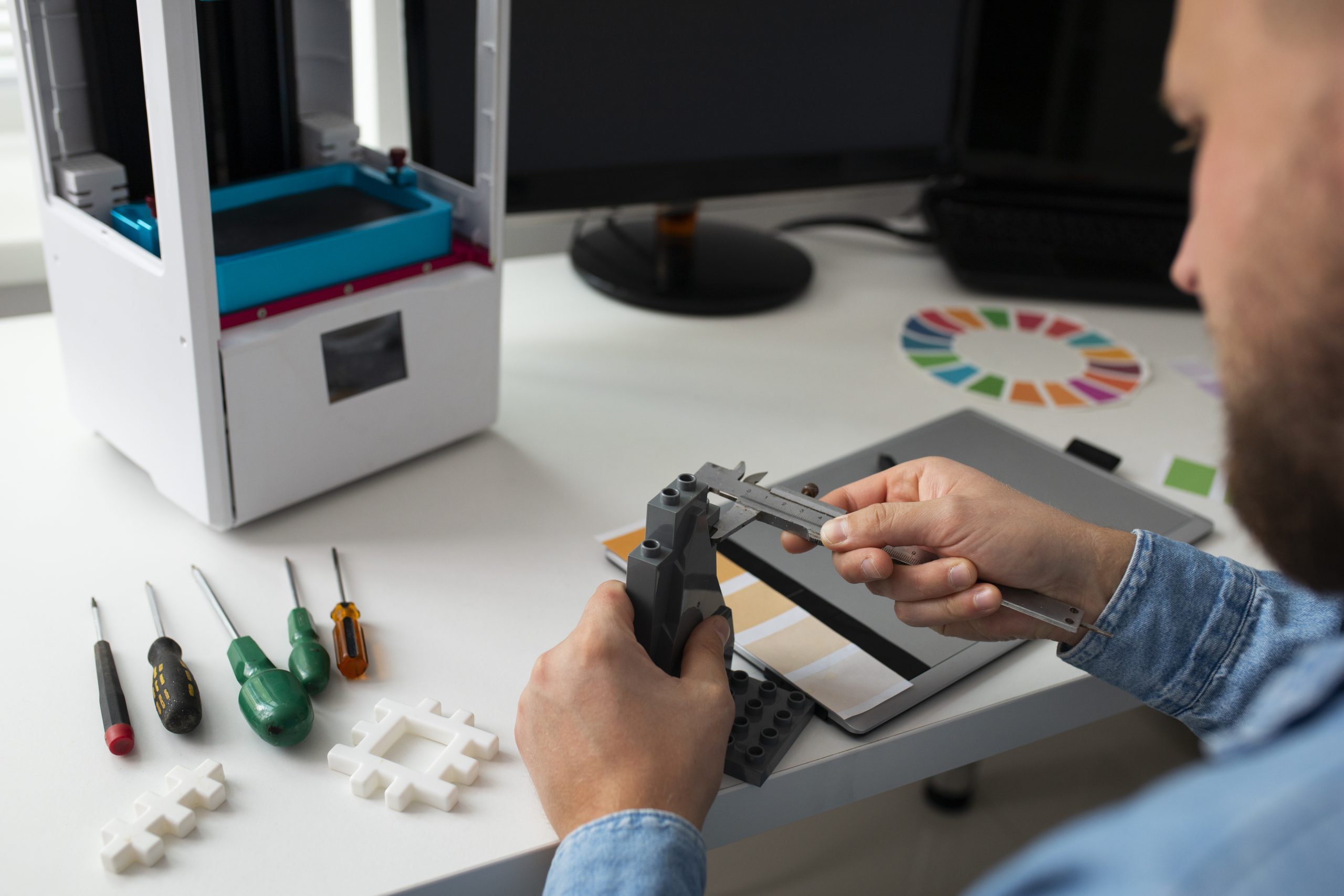
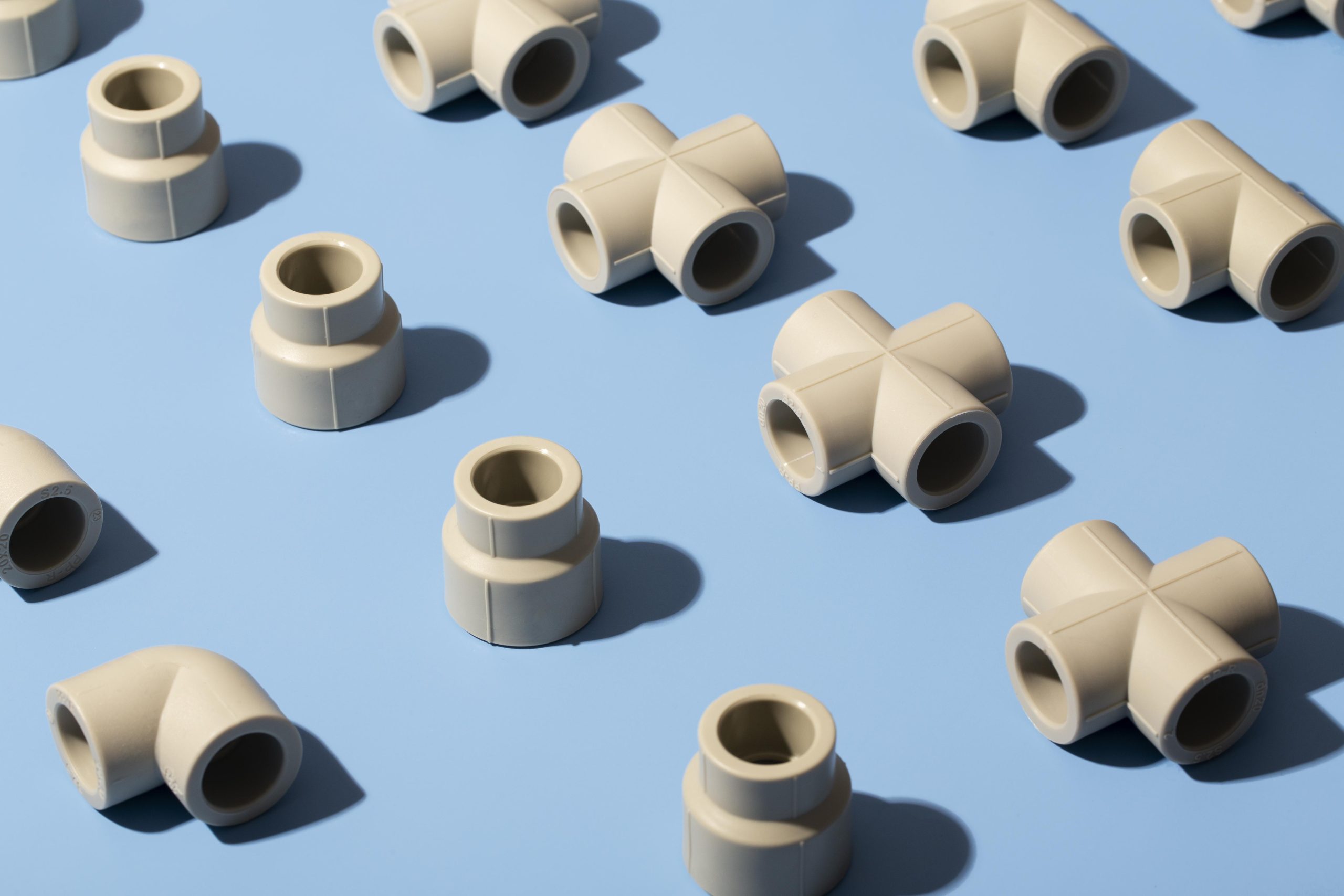
3D printing interlocking parts and assemblies is a powerful technique that offers both design flexibility and manufacturing efficiency. By understanding the principles of clearances, tolerances, and material selection, you can create strong and functional interlocking joints for your projects.
Contact Us today to learn more about how our 3D printing services can help you bring your designs to life, from scale model assembly to custom 3D metal printing solutions.
